Understanding through Service
The body speaks in many languages. Sometimes we listen by helping.
I used to think service meant giving something away. A book, a cloth , a skill. But every project on this page taught me the same thing: you can't give what you haven't first tried to understand. I had to sit with people, listen, and sometimes realize that what I thought they needed wasn't what they needed at all. That's what these three projects are really about. It' not giving, it's learning how to.
Lab Beyond Books
In seventh grade, I joined a school trip to Qiongzhong, Hainan. That 's one of my first encounters with what it means to grow up far from opportunity. We donated books and built a small library.
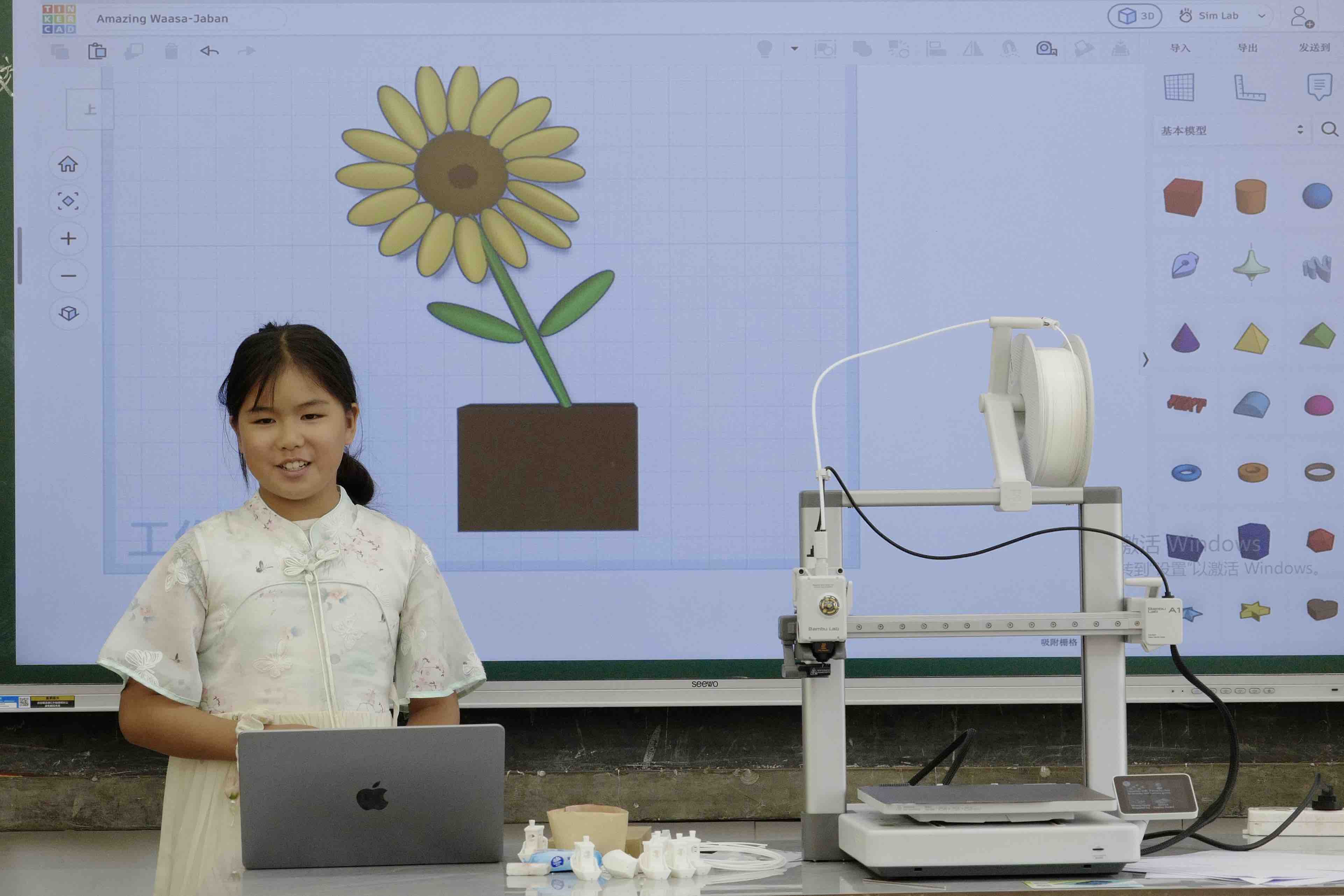
But I kept wondering: did any of it last? Years later, that question became Labs Beyond Books — a program I co-founded to bring hands-on STEM experiments to underserved communities. Not books left behind, but science experienced together. Two years, two cohorts, and one belief: that curiosity doesn't need a well-funded classroom to catch fire.


Amet minim mollit non deserunt

Amet minim mollit non deserunt


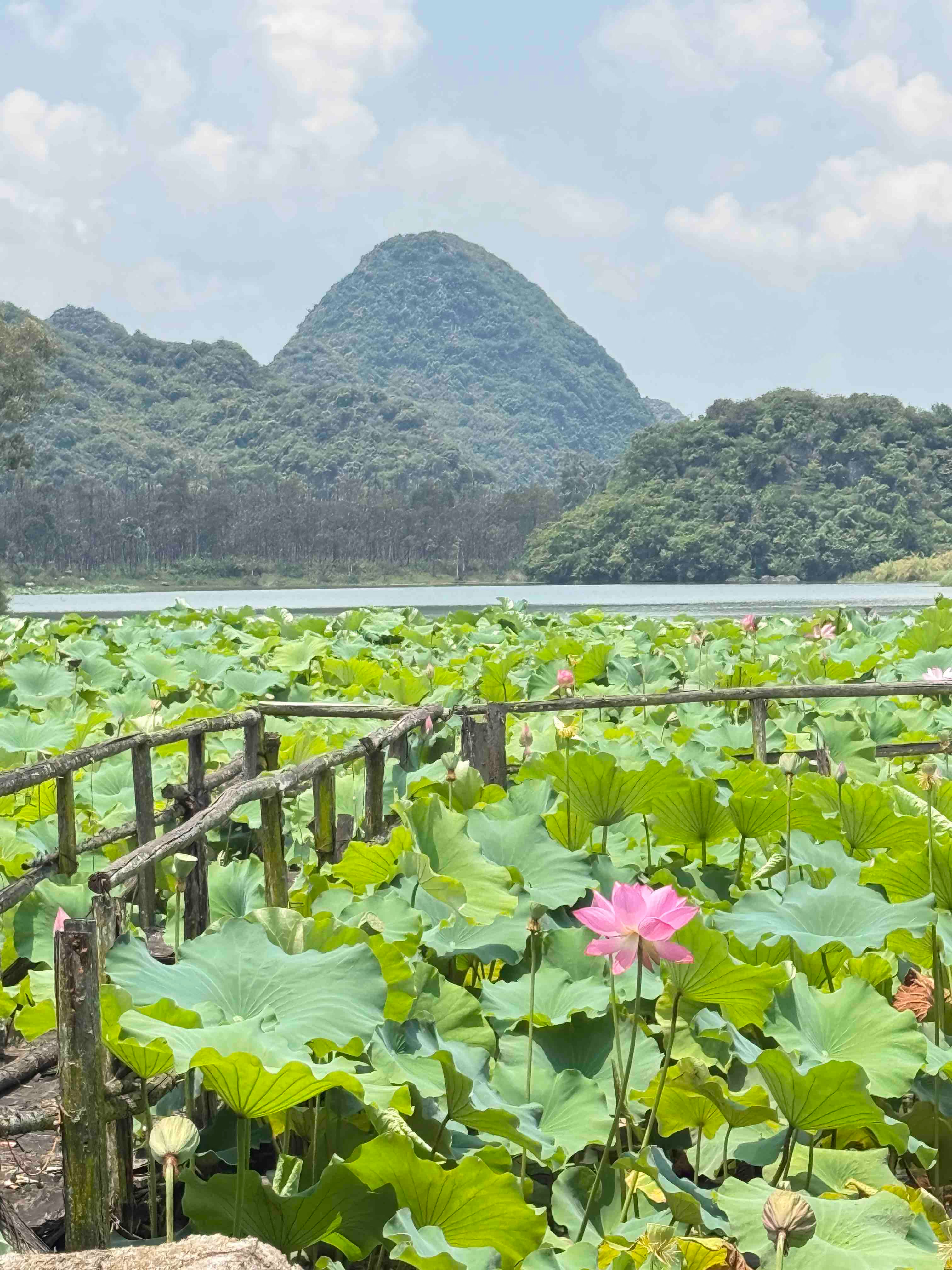
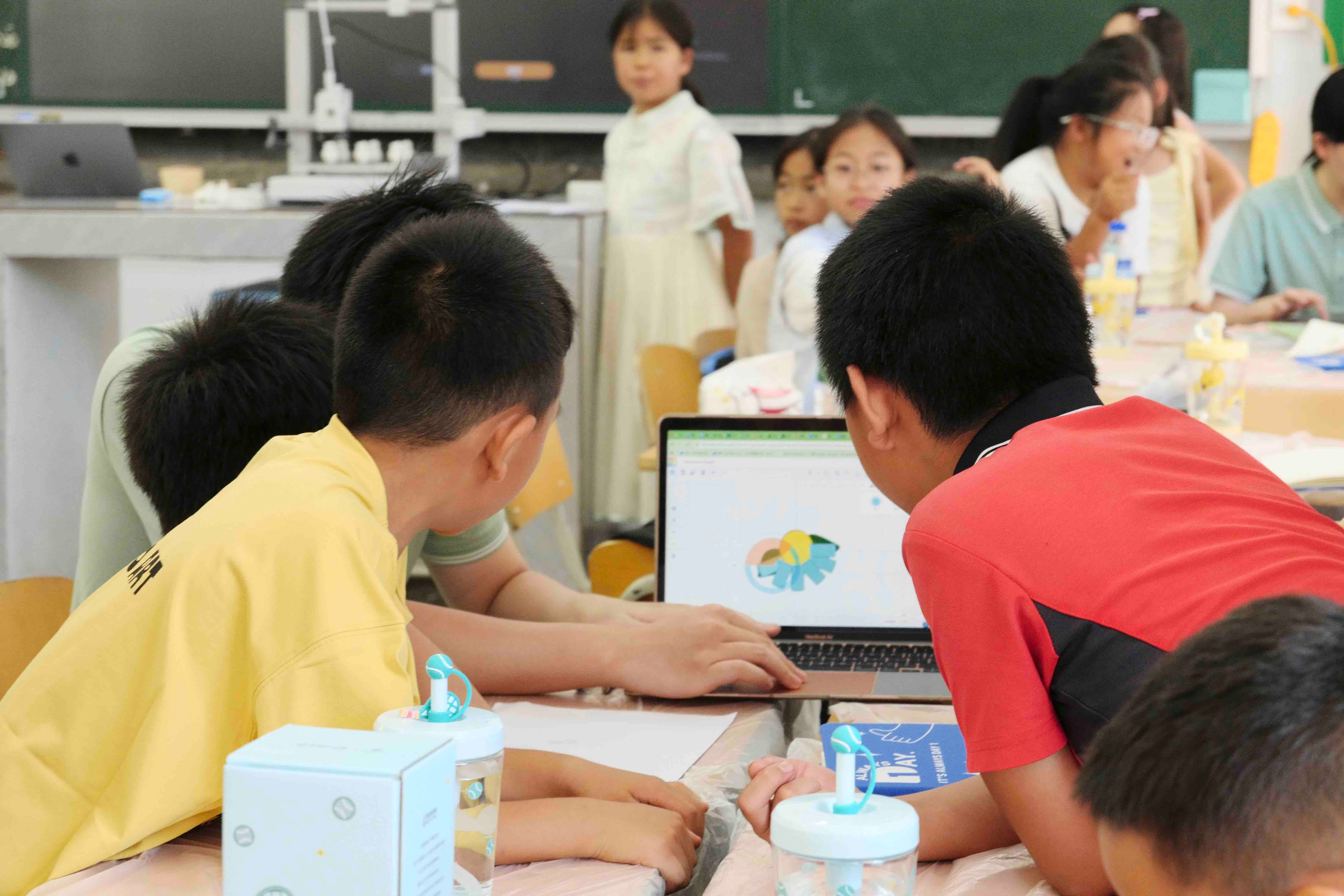
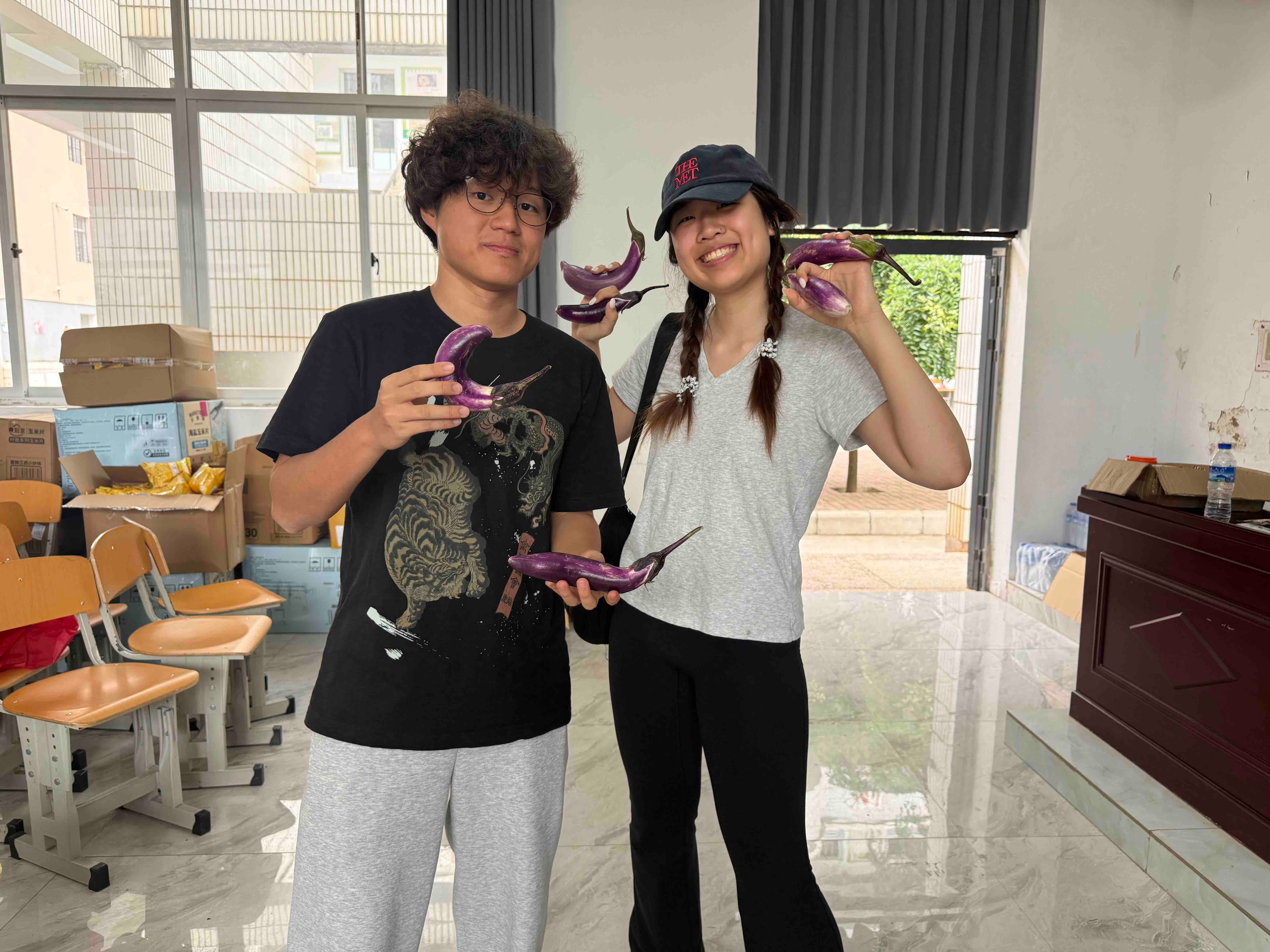
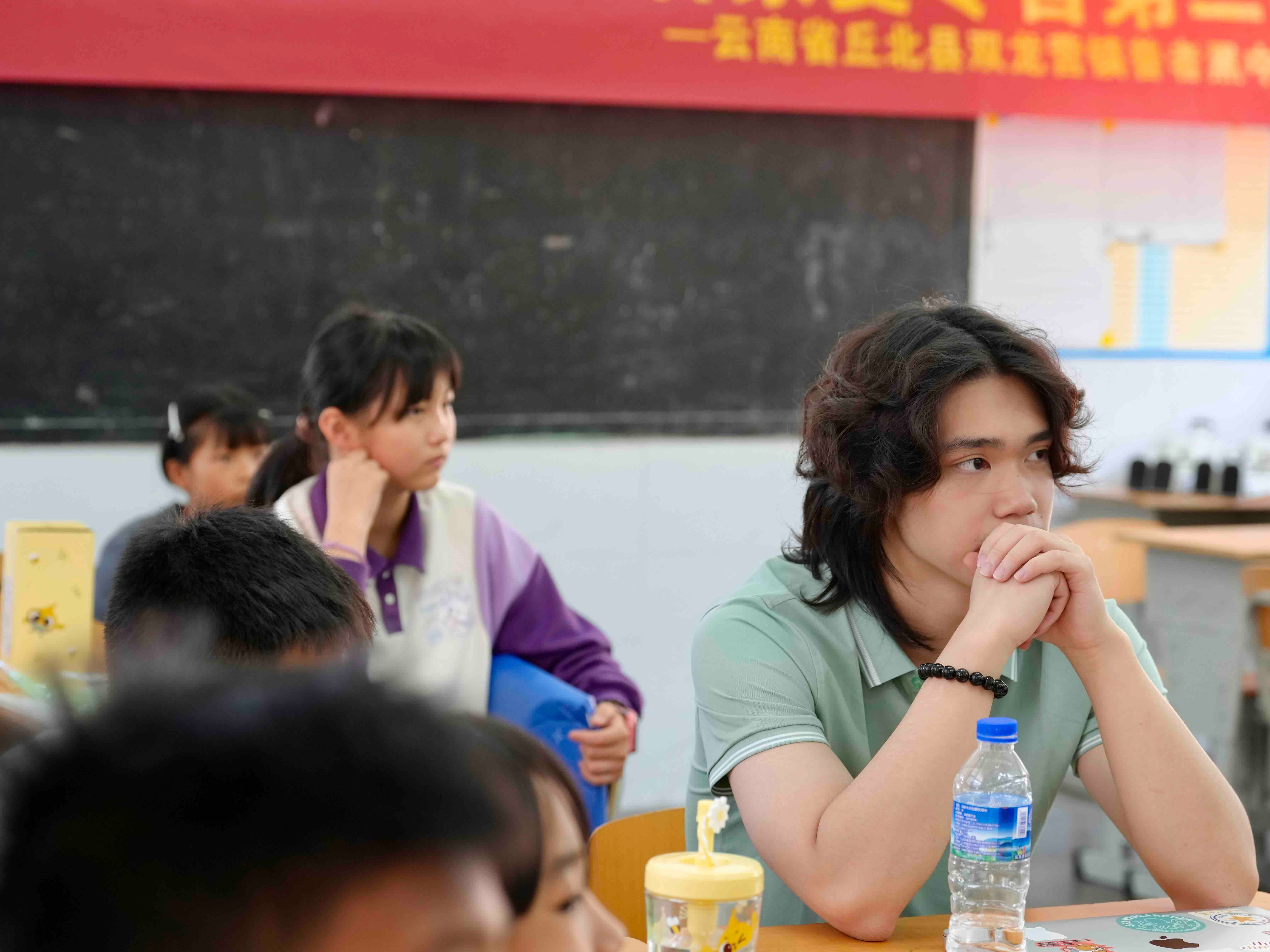
Building Bridges is a Yale-founded program connecting university volunteers with students in underserved rural China. I was selected as one of the few high school volunteers for my course design, I joined two consecutive cohorts in 2025 and 2026 with mycurriculum "Civilization on a Needle's Tip: A History of Vaccines".
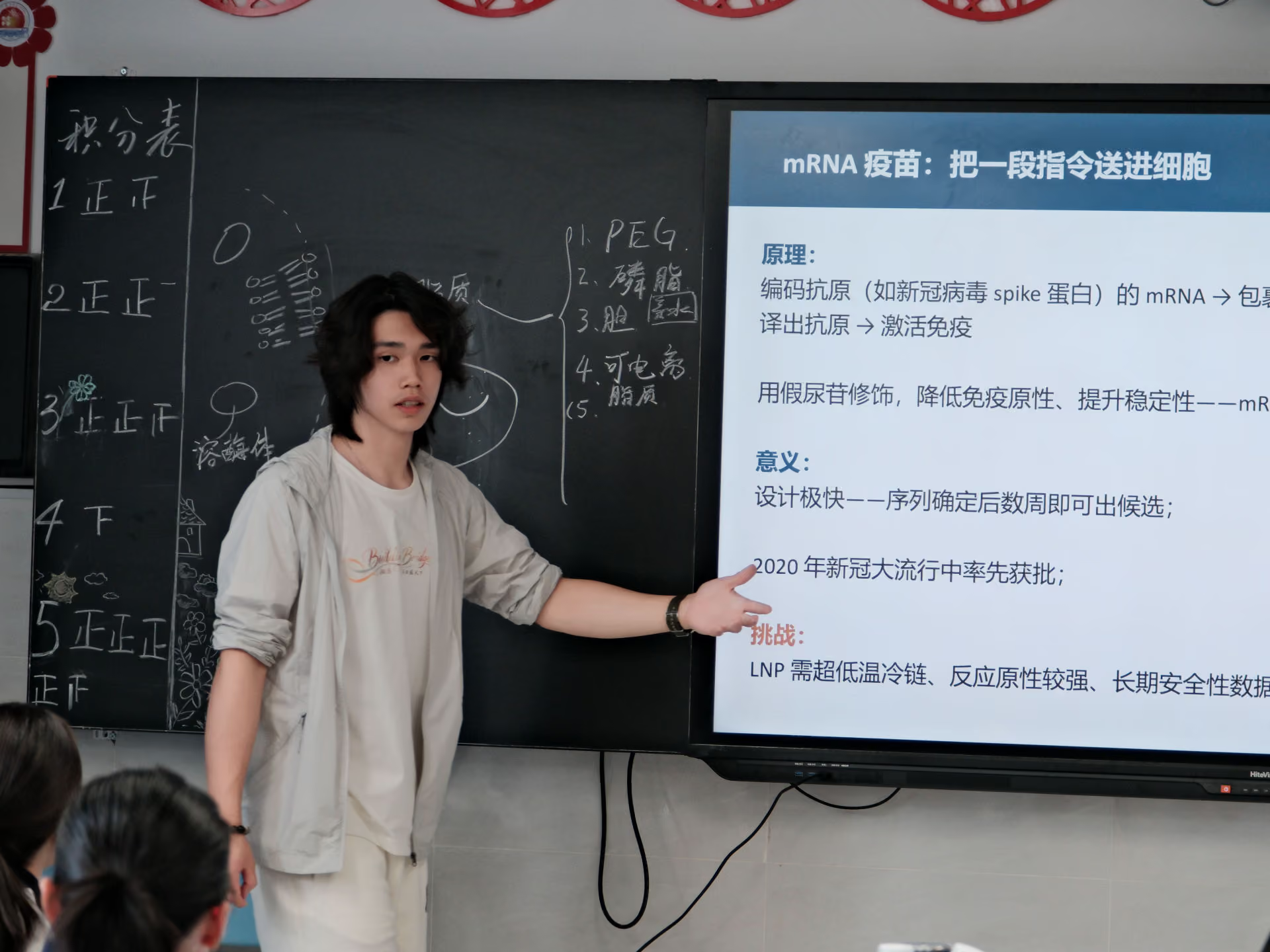
Course
in the summer of 2025, That was the first time I taught "Civilization on a Needle's Tip," I was passionate. I walked my students through the triumphs of vaccine history — Jenner, Pasteur, the eradication of smallpox.I told them science is never cold. It lives inside history.
After class, a teacher pulled me aside. "Have you studied the darker chapters?" she asked quietly.I knew what she meant. But I had just chosen not to go there.
I spent the next whole year reading, researching, and writing until I had filled in the pages I had left blank.
The second year and second time in 2026, I bought my refined course and stand on the stage again. That is the all of it: the ethical failures, the forgotten victims, the questions science still hasn't answered. I designed a series of "turtle soup" moral dilemma games around scientific ethics. The students laughed, argued, and thought out loud.
Afterwards, one of them told me: "I don't know why we need this course. It has nothing to do with our exams. But I liked it. It made me start thinking — about science, about people, about why any of it matters."
That was enough.
After Hours
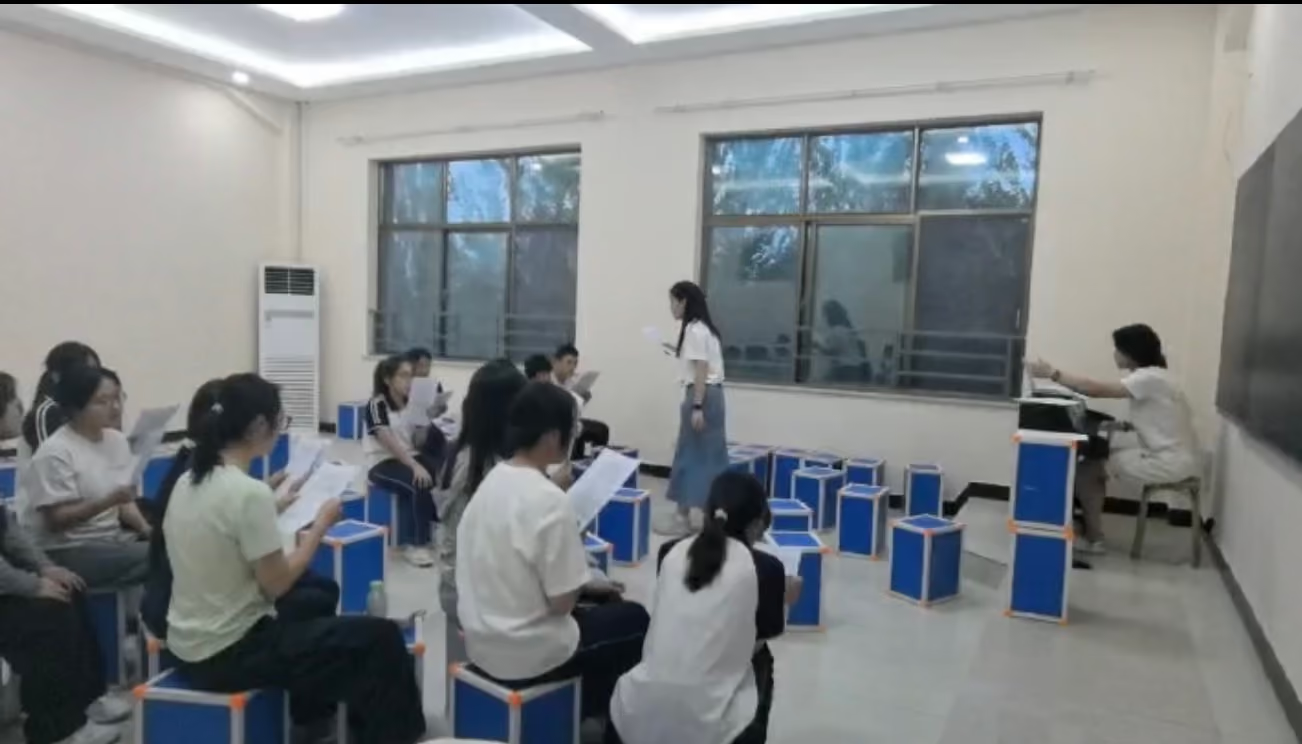
Outside the classroom, I ran the badminton club and the choir. The choir was the one I hadn't quite planned for.
None of them could read music. So I taught them to count beats by clapping one tap per note, matching each syllable underneath. We went phrase by phrase, slowly. When it was time to combine the parts, I sat at the keyboard: rigth hand playing, left hand conducting, pointing at each section when it was their turn to come in, signaling higher, lower, softer.
Finally on the third day it worked. All the parts landed together. They heard themselves harmonize for the first time and looked genuinely surprised, like they hadn't believed it would actually happen.
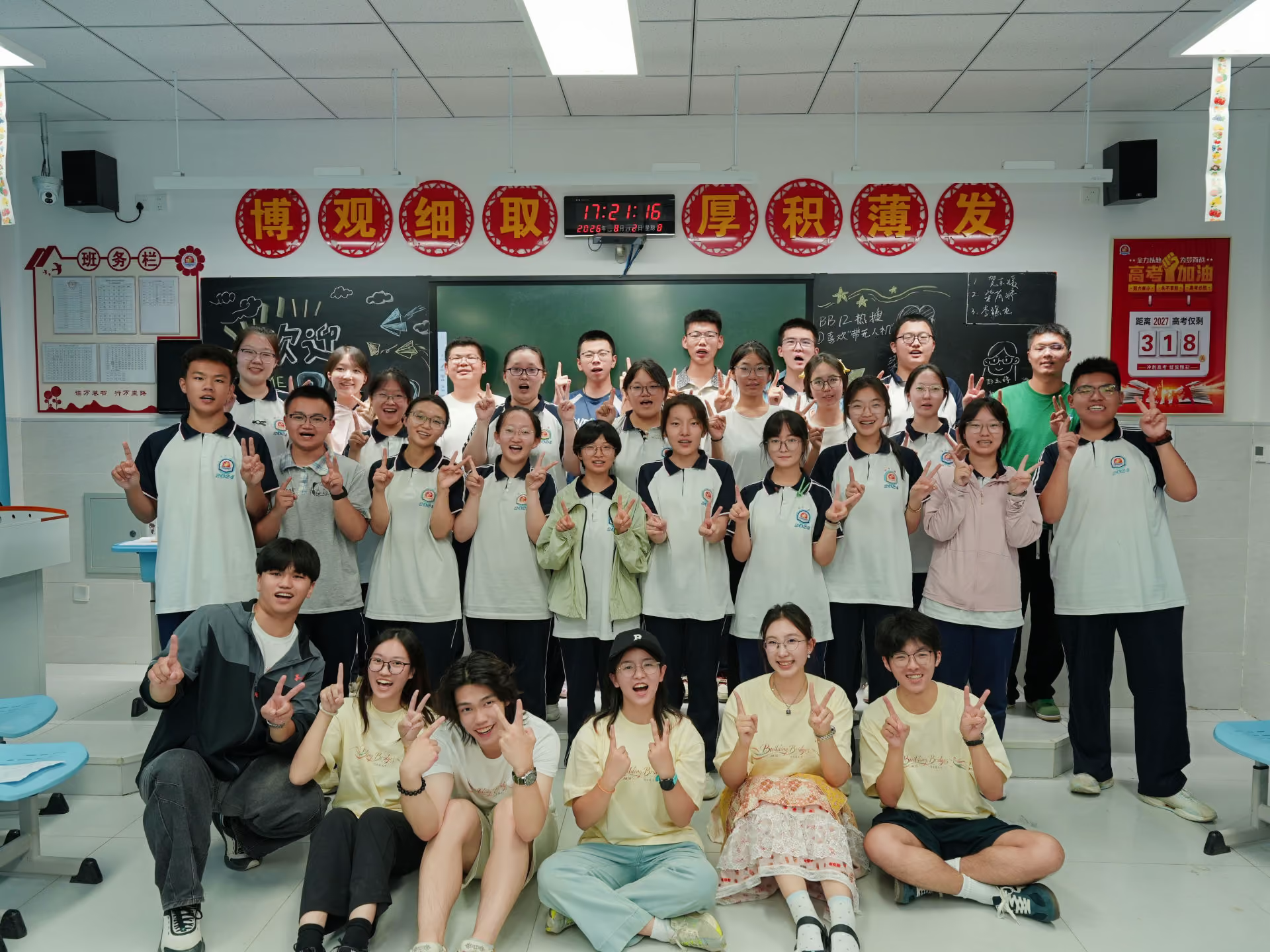
Peers
I learned things in Building Bridges that no classroom ever taught me.
I learned how a student from Peking University thinks about justice. How a Yale junior approaches a problem she’s never seen before. How someone studying medicine at HKU talks about the human body differently than I do. While somehow, we were saying the same thing.
I learned that curiosity looks the same in every language. That a student who has never left her county can ask a question that stops a room. That teaching is mostly listening.
I learned that the best conversations happen after class — on a basketball court, over bad cafeteria food, in the five minutes before lights out.
Some of what I learned, I can’t name yet. I just know I came back different.
Truth
I used to think teaching was about "us lighting up others."
Buildign Bridges taught me otherwise: real service is a two-way bridge. We have to deep respect for local culture, environment, and ways of thinking. We need mutual seeing and learning. BB isn't about importing the outside world. It's about seeing the ground beneath our feet, together with the students. This doesn't end on the last day of summer camp. It's a river that keeps flowing, nourishing both sides.
That's the truth I built and lead Labs Beyond Books on.
No top-down "help." Just reciprocal respect, shared learning, and a community designed to last.
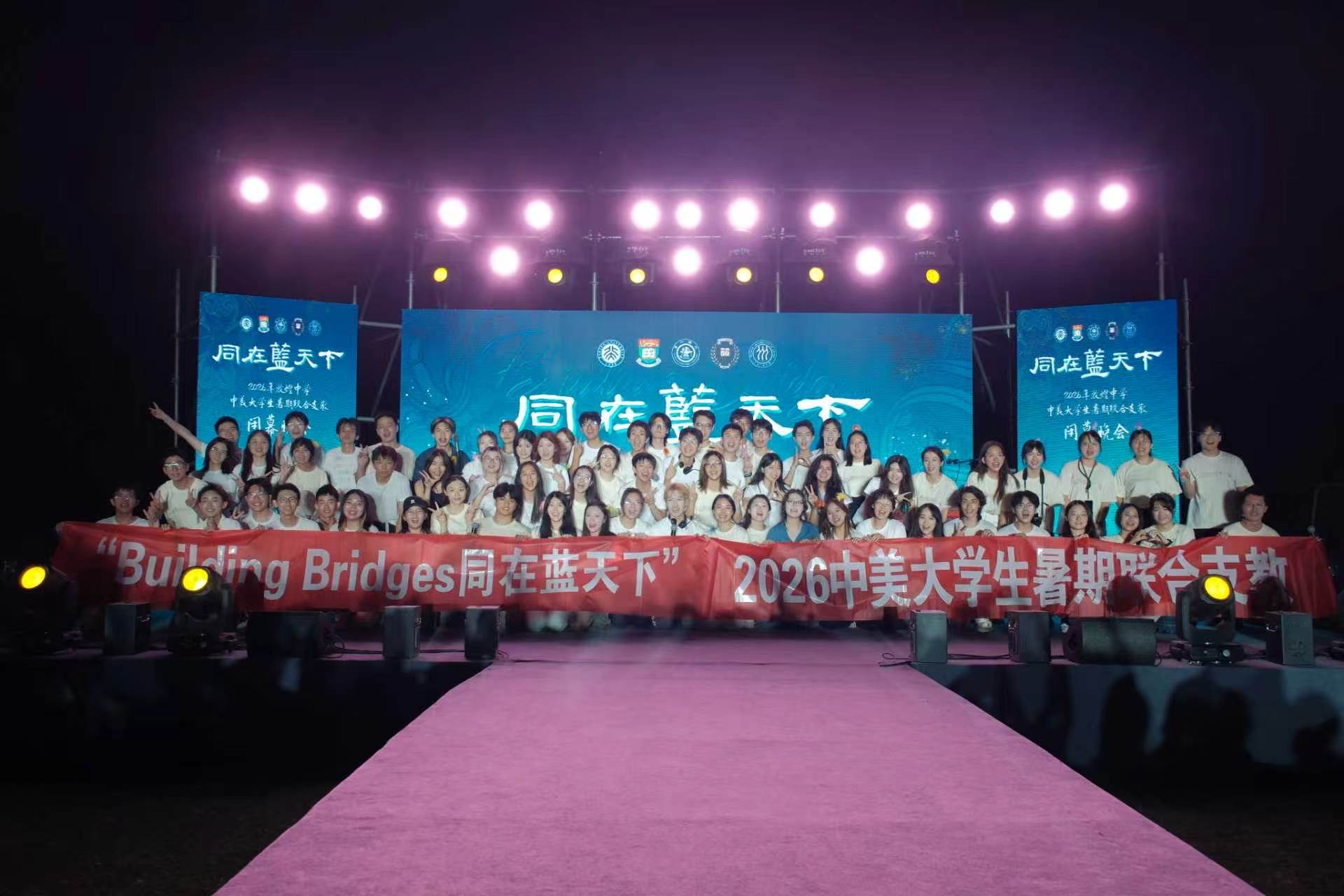
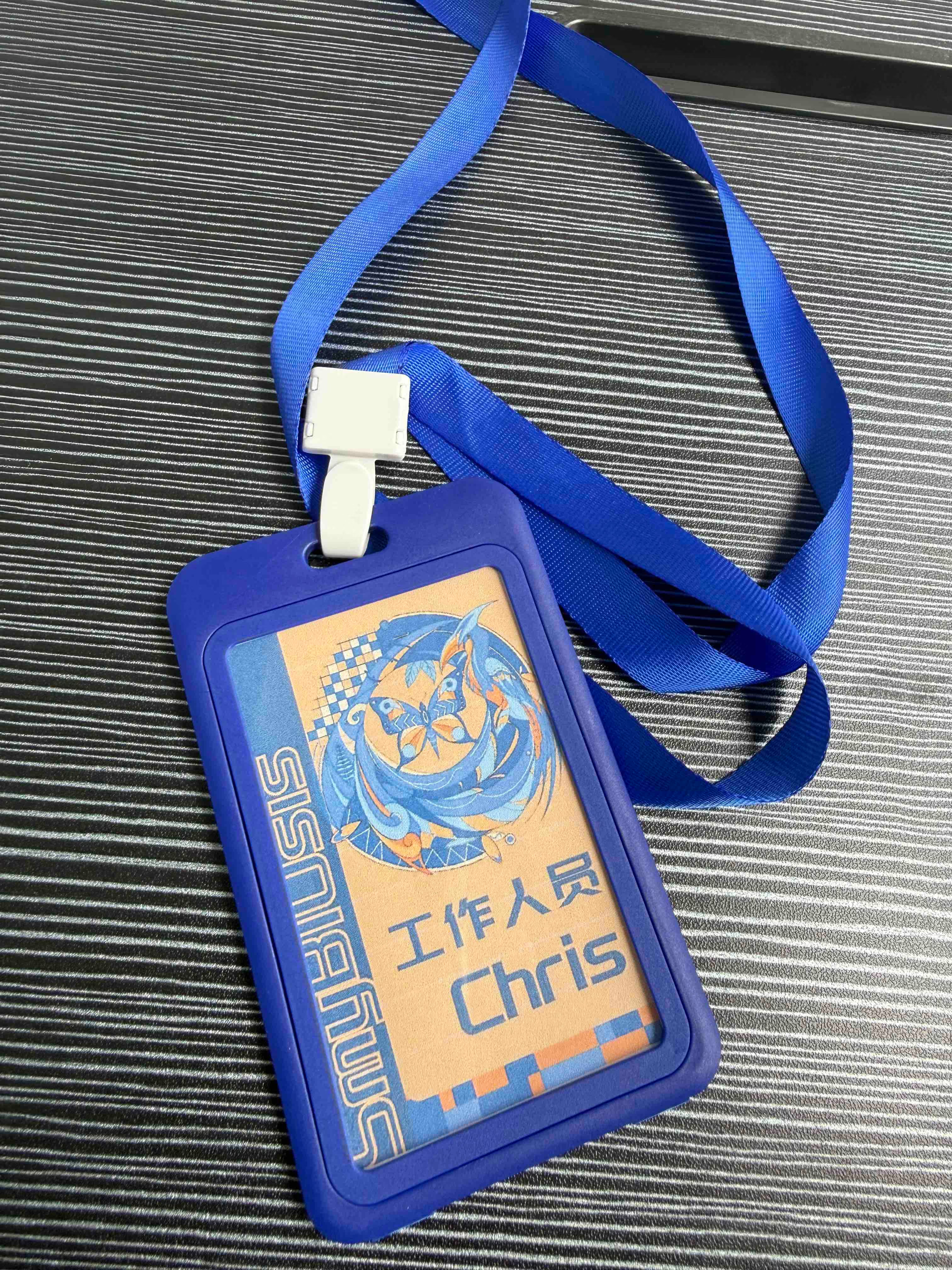
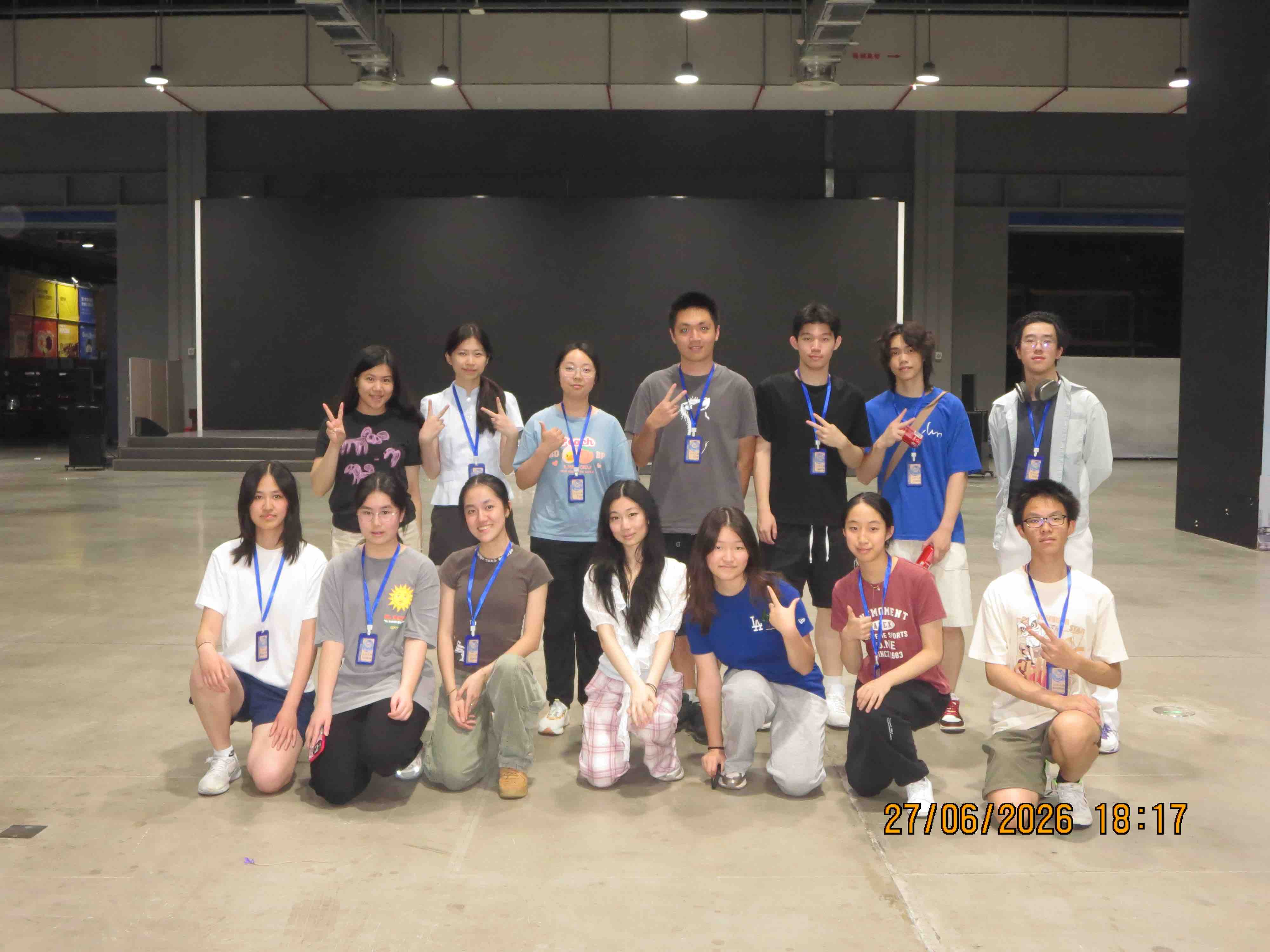
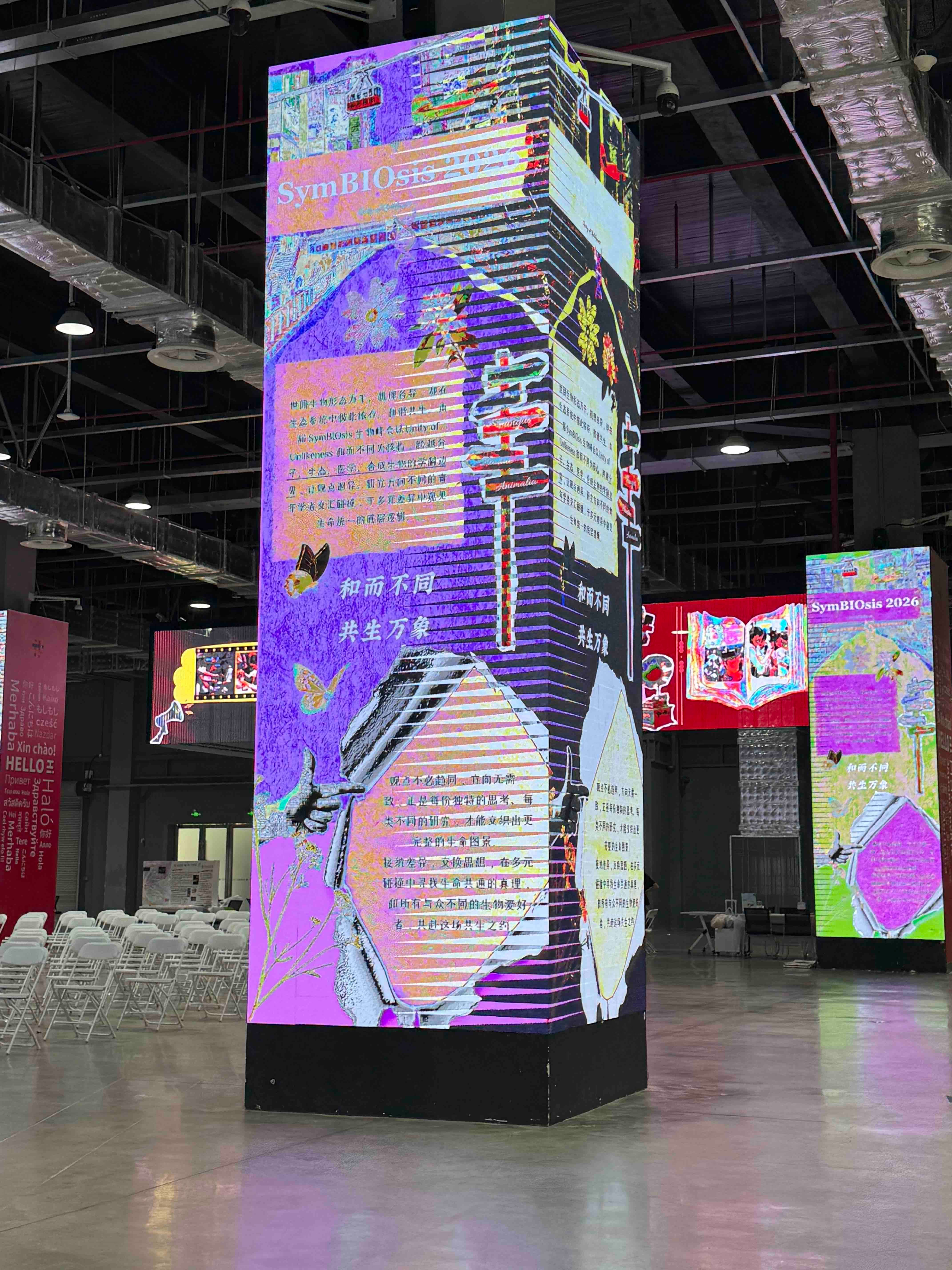
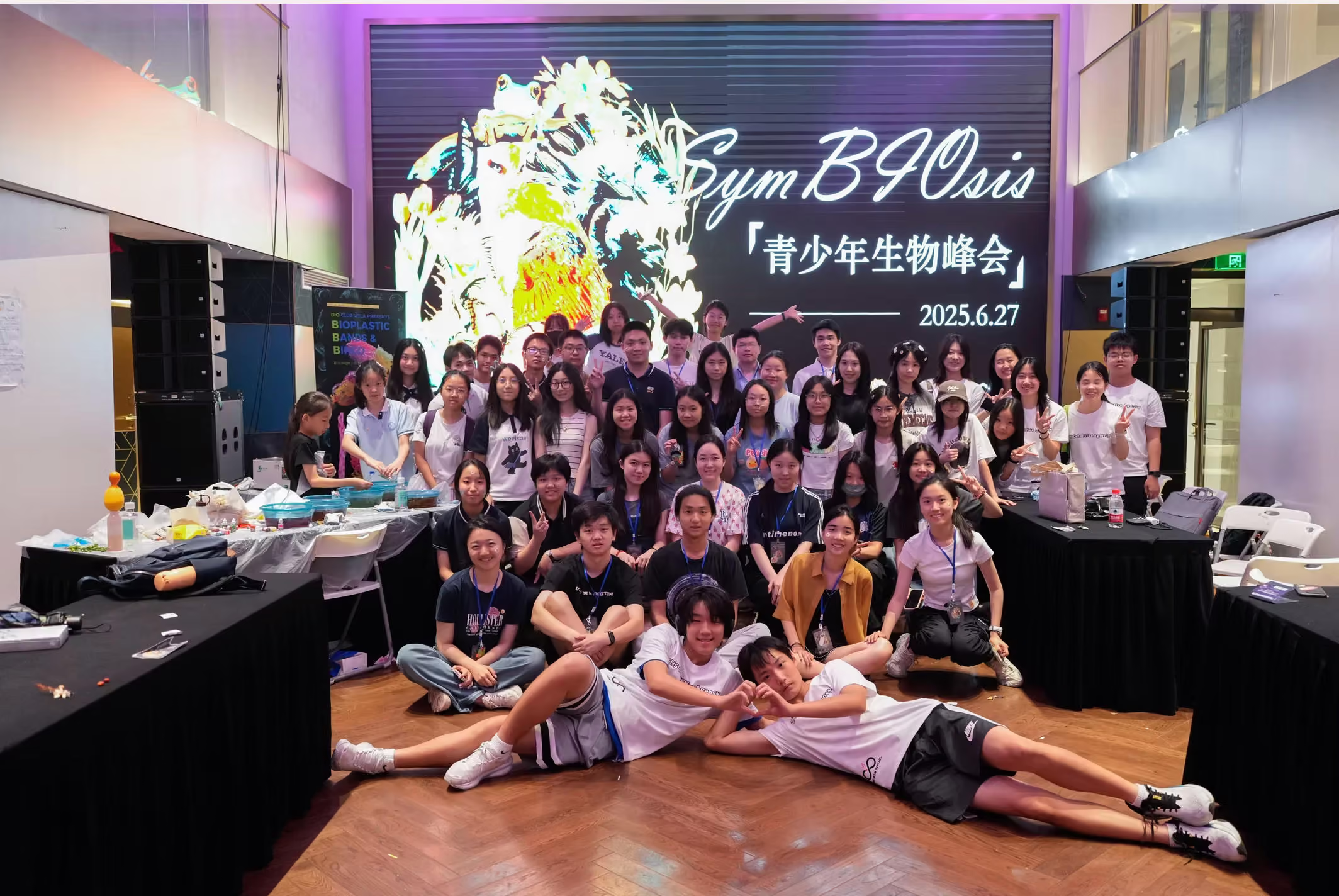
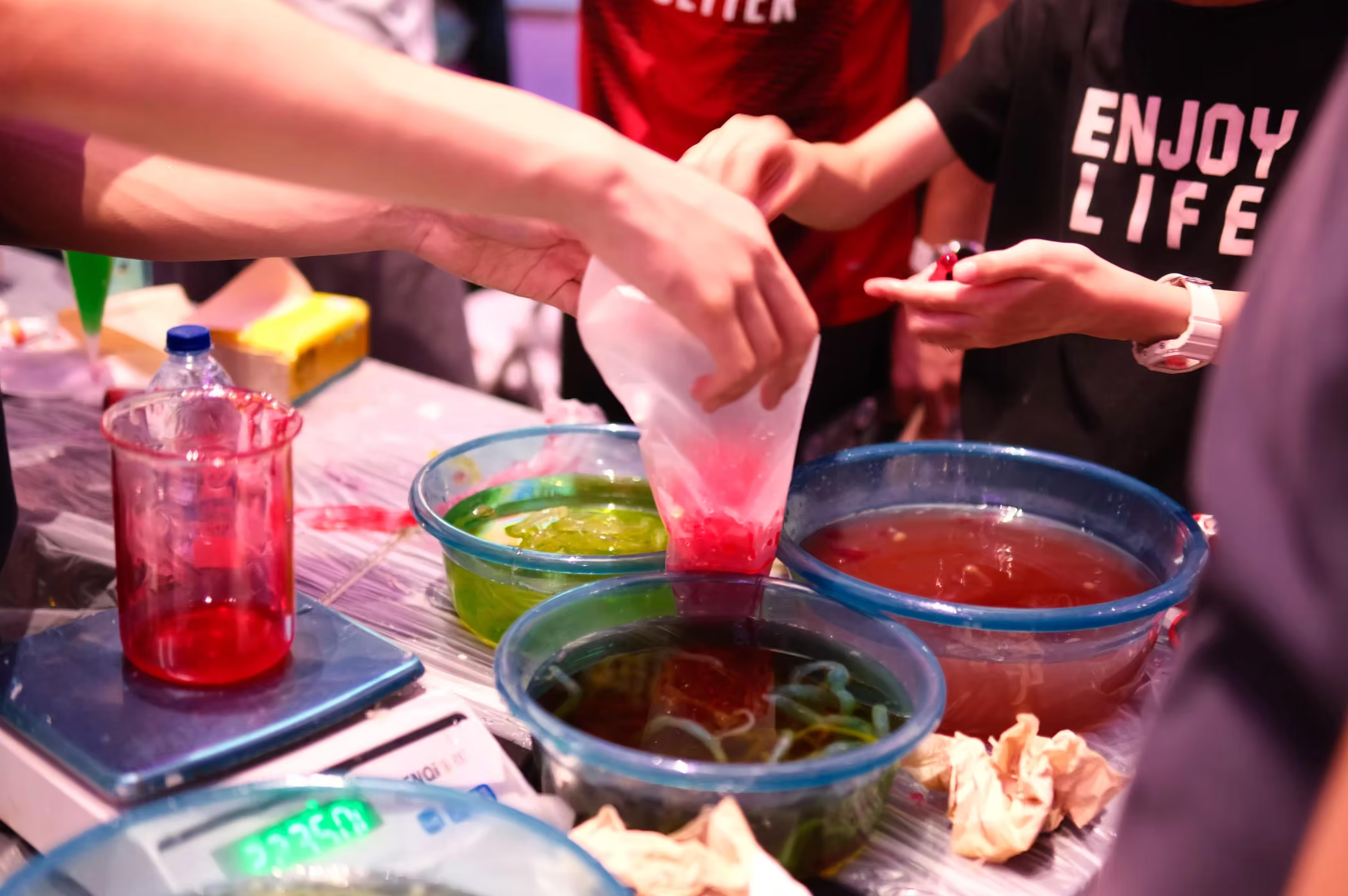
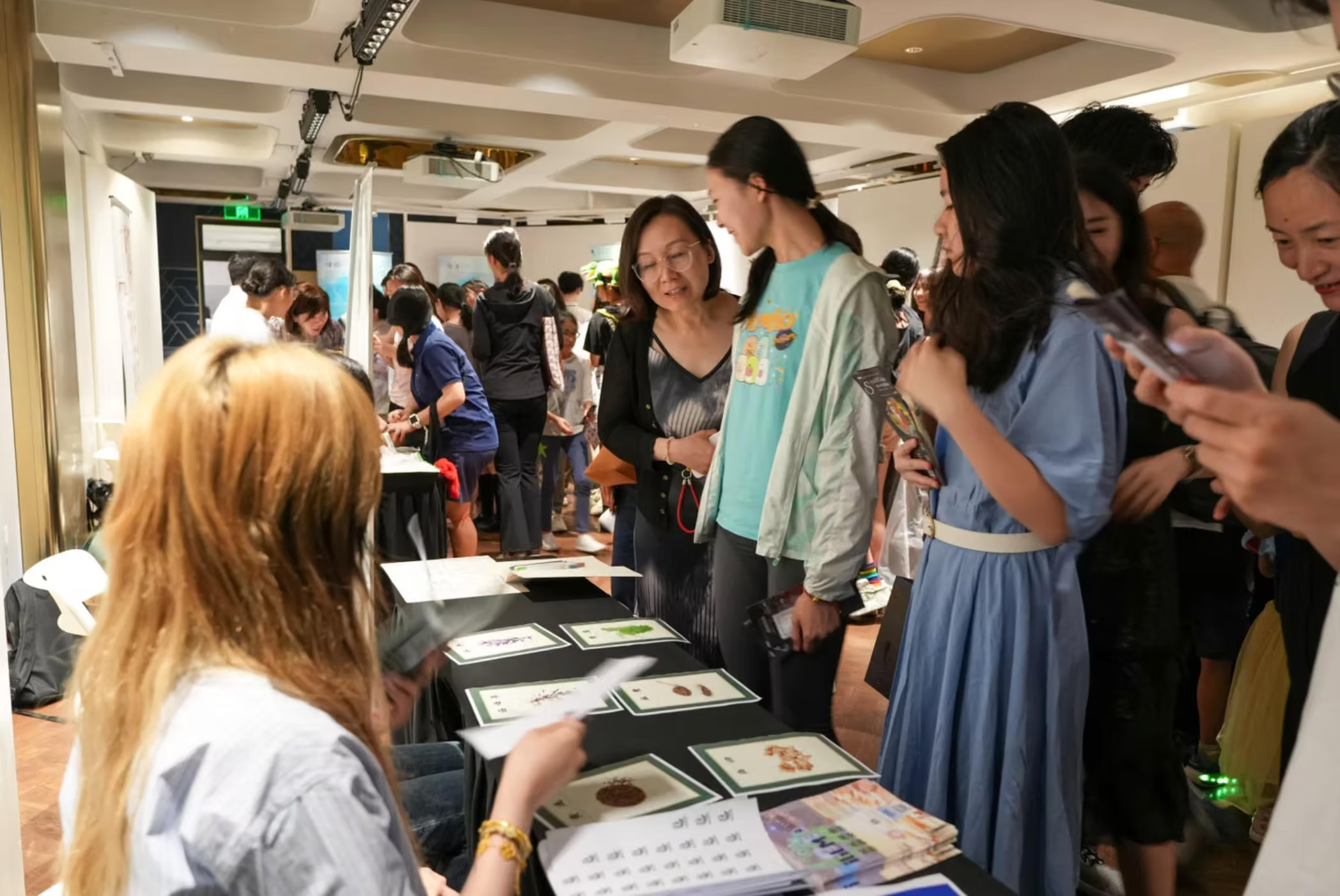
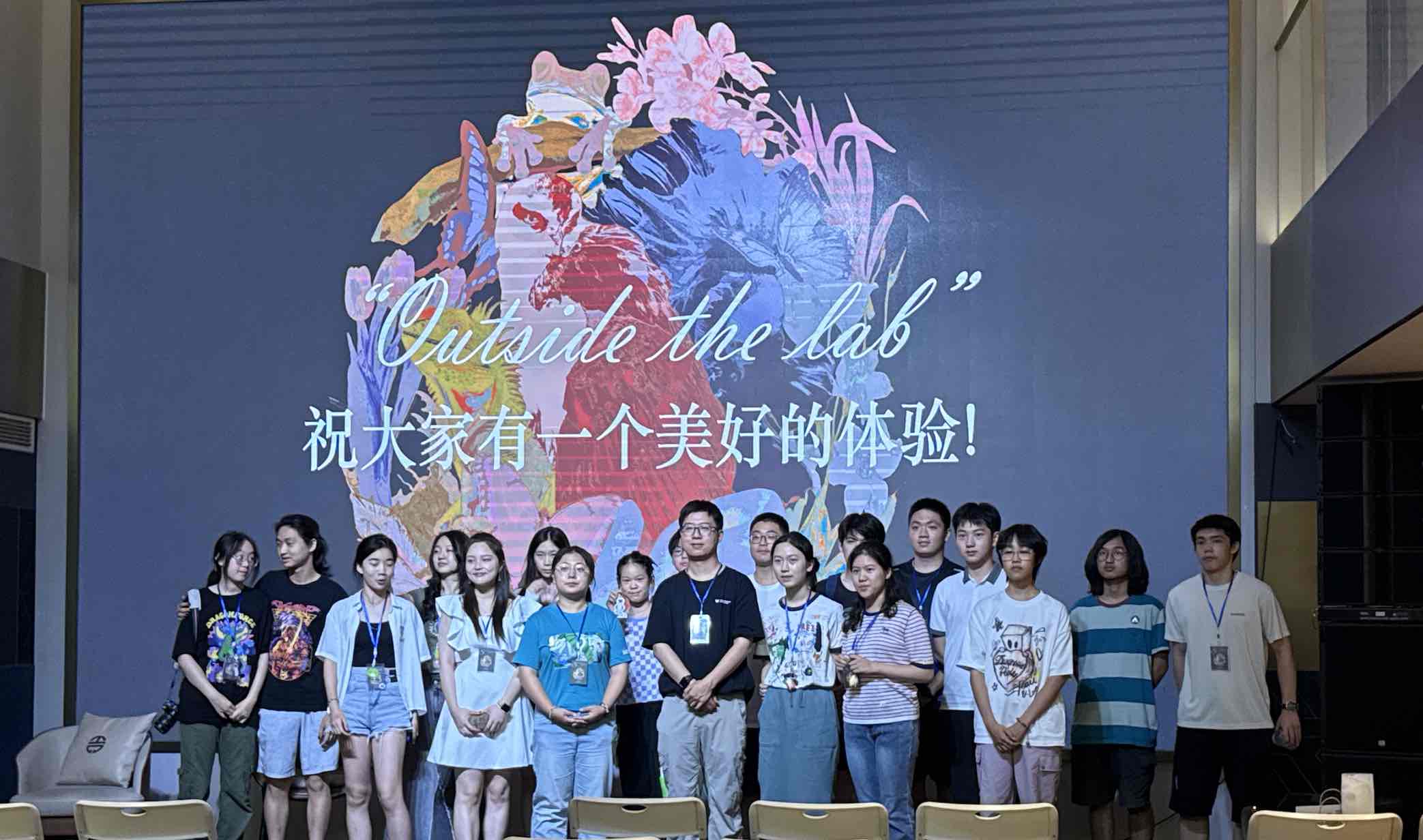
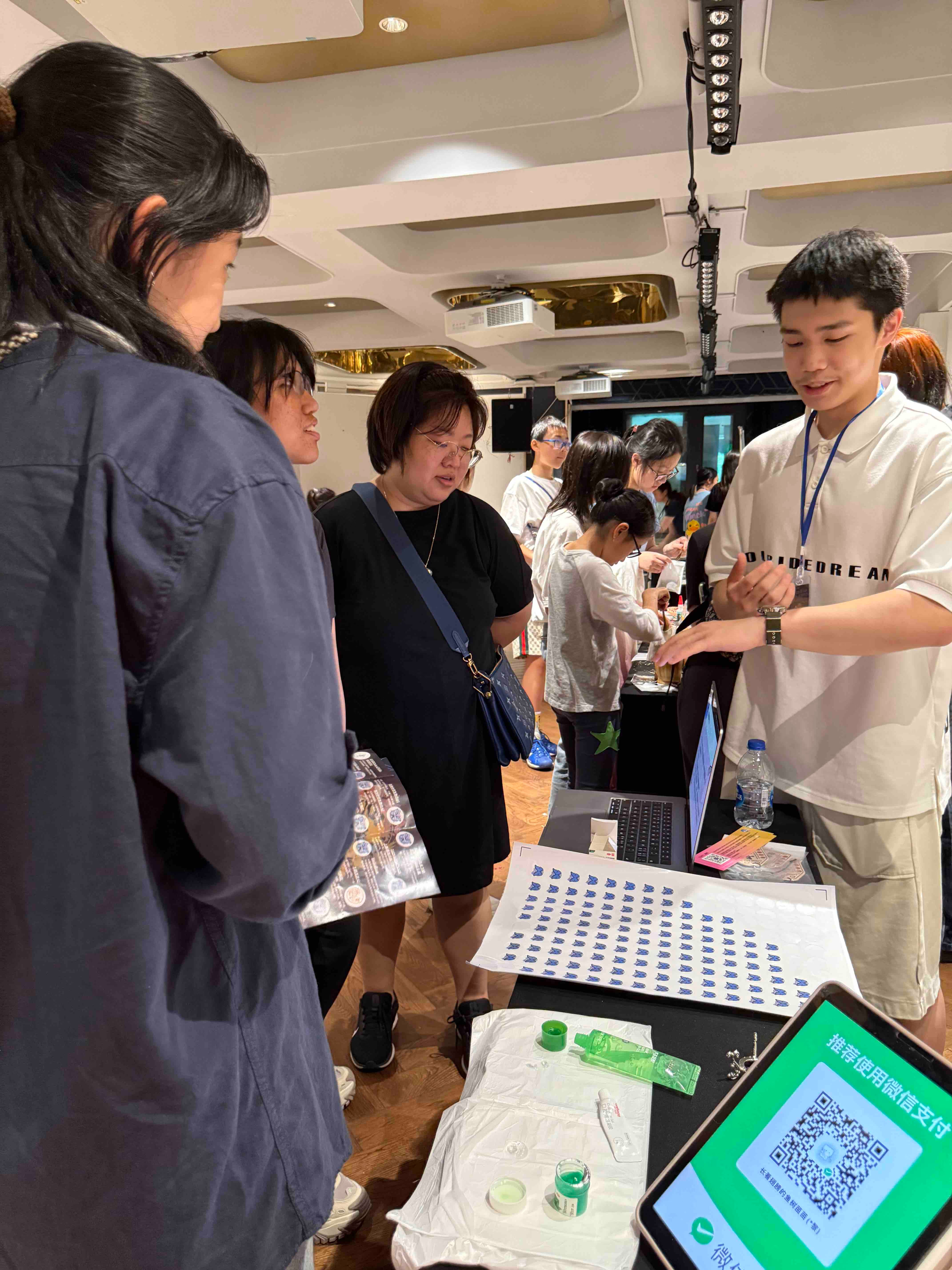
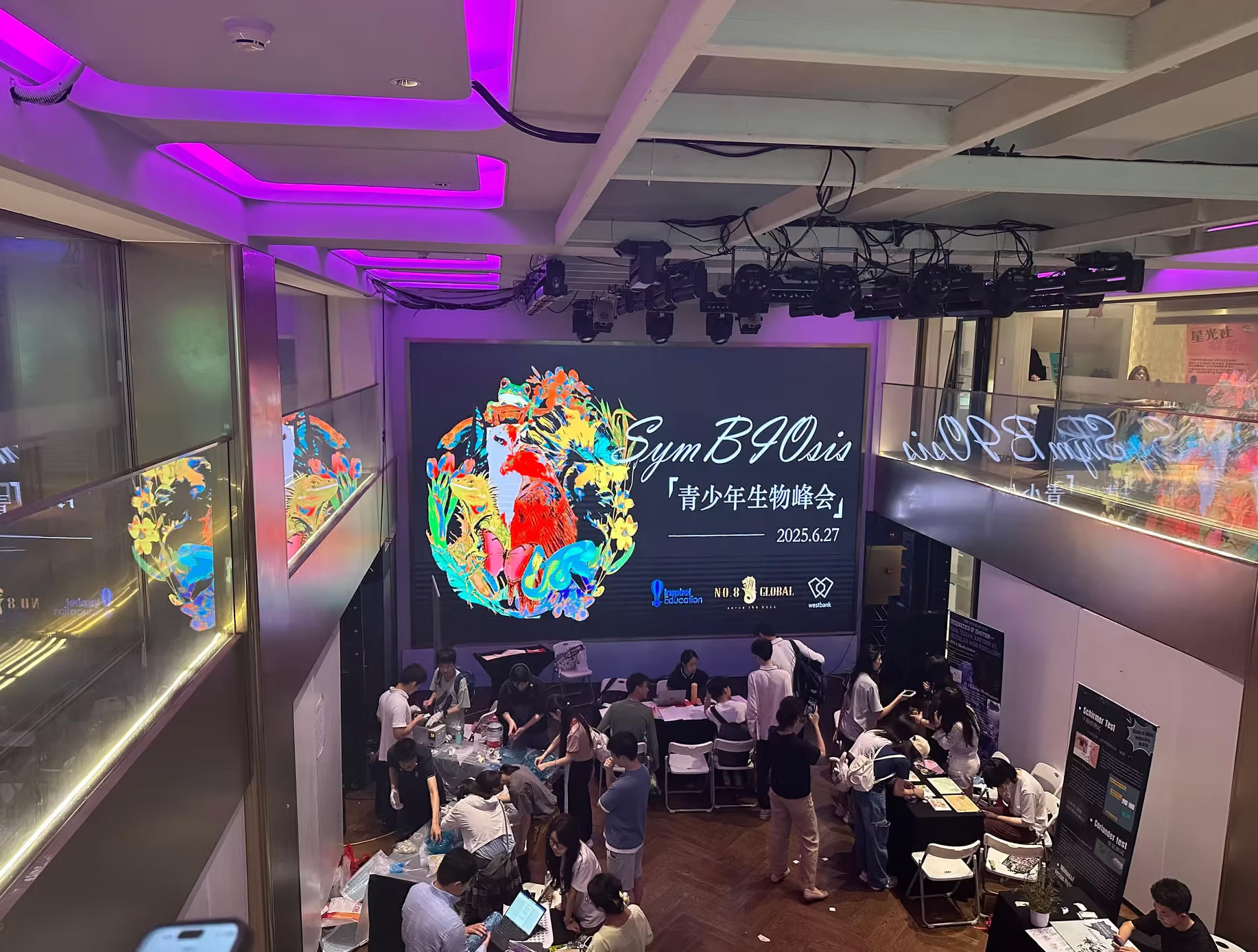
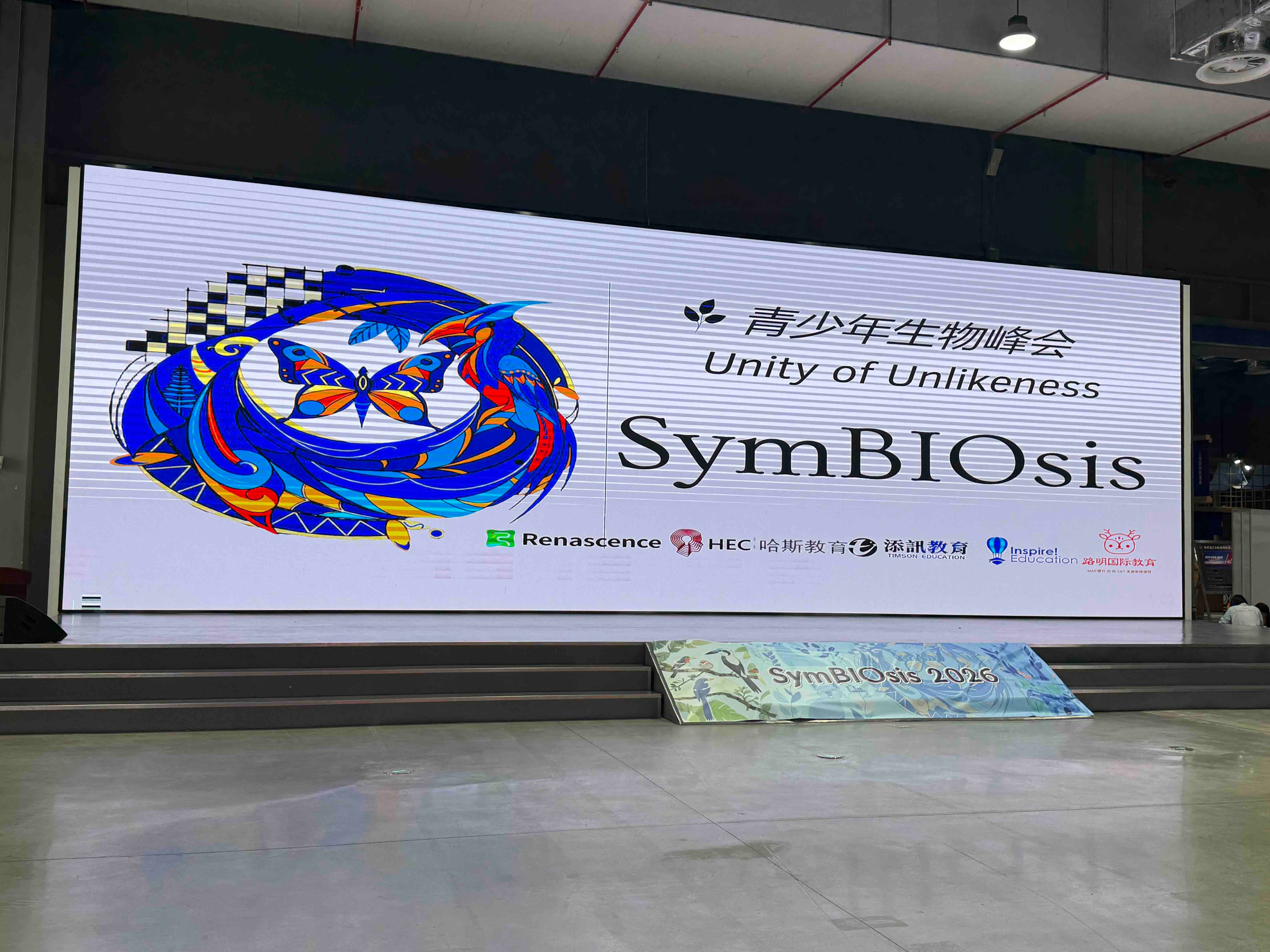
I was invited to join SymBIOsis because I was the president of my school's biology society. What I found was a room full of students who cared about the same things I did, alongside professionals at the frontier of biology who were willing to talk to us like equals.
Let the mountain know the cloud
A line we carried with us
"Let the mountain be a mountain. Let the cloud be a cloud. Let the mountain know the cloud, and the cloud know the mountain."


What Service
Leaves Behind
"Each of us creates concentric circles of influence that may affect others for years, even for generations."
— Irvin D. Yalom, Staring at the Sun
A student I had taught in Building Bridges donated 6.66 RMB to Labs Beyond Books. It was the smallest donation we received. It was the one I remember most.
Both projects were never really about what we taught — but about showing up, staying a while, and trusting that something would carry forward.
6.66 RMB told me it did.
"Some ripples start with a lesson. Some start with a donation. Some start with a room full of the right people."